 PAYMENTS · TECHNOLOGY · OPERATIONS
Learn how authorization, processing, settlement, hardware, gateways, and business banking fit together.
Why this matters
A merchant account is part of the arrangement that allows a business to accept electronic payments and receive settled funds. The complete setup may also include a processor, acquiring relationship, terminal or gateway, software, and a business bank account.
A practical action plan
The strongest payment strategy is usually the one your team can follow consistently. Start with the fundamentals, document the process, and review the results with real transaction data.
- Estimate monthly volume, average ticket, sales channels, and seasonal peaks.
- Prepare business, ownership, bank, and processing-history information.
- Compare pricing and contract terms alongside equipment and support.
- Confirm how funding, refunds, chargebacks, and reporting work.
Questions to ask before you decide
A provider should be able to explain how the solution works in plain language. Use these questions to compare options and expose assumptions before they become expensive problems.
- Who are the contracting parties and who provides support?
- When are transactions funded and what can delay them?
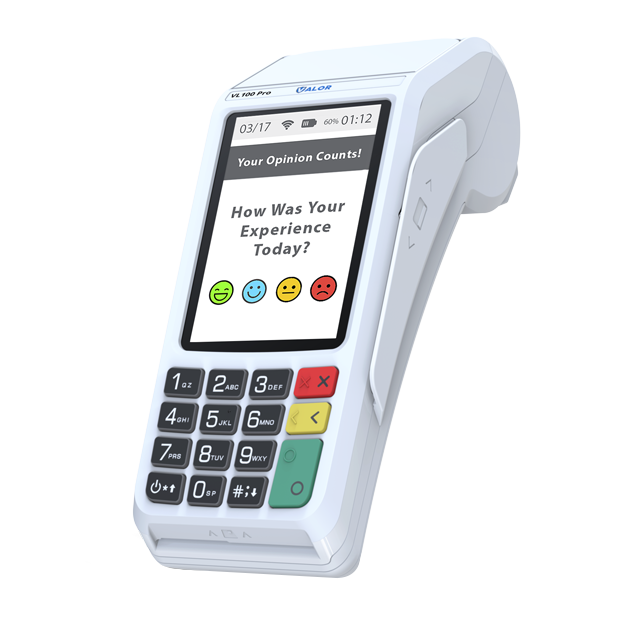
- What equipment and software are compatible with the account?
Build the right setup for your business
There is no universal payment stack. Transaction mix, average ticket, sales channels, staffing, risk profile, and growth plans all change the answer. Amana Payments can review your current workflow and help you compare practical options without forcing every business into the same package.
This guide is general business information, not legal, tax, security, or compliance advice. Requirements and card-network rules can change. Confirm decisions with your processor and qualified professional advisers.