 PAYMENTS · TECHNOLOGY · OPERATIONS
Understand two complementary controls that reduce exposure while payment data is transmitted, processed, and reused.
Why this matters
Encryption transforms readable data so authorized systems can restore it with the correct key. Tokenization replaces sensitive data with a reference whose underlying value is held in a protected vault. Modern payment systems may use both at different stages.
A practical action plan
The strongest payment strategy is usually the one your team can follow consistently. Start with the fundamentals, document the process, and review the results with real transaction data.
- Map where payment data enters, travels, and is retained.
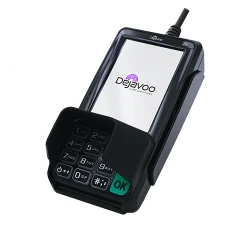
- Use point-to-point encryption for supported card-present environments.
- Use tokens for stored credentials and system integrations.
- Limit access to keys, vault controls, exports, and administrative settings.
Questions to ask before you decide
A provider should be able to explain how the solution works in plain language. Use these questions to compare options and expose assumptions before they become expensive problems.
- Where does encryption begin and end?
- Who operates the token vault and manages cryptographic keys?
- What data remains in your environment after authorization?
Build the right setup for your business
There is no universal payment stack. Transaction mix, average ticket, sales channels, staffing, risk profile, and growth plans all change the answer. Amana Payments can review your current workflow and help you compare practical options without forcing every business into the same package.
This guide is general business information, not legal, tax, security, or compliance advice. Requirements and card-network rules can change. Confirm decisions with your processor and qualified professional advisers.